Hotel With Smart Room Technology In Singapore is revolutionizing the hospitality experience by integrating cutting-edge technology into guest accommodations. This innovative approach not only enhances comfort but also streamlines operations and improves energy efficiency. From automated lighting to climate control, smart rooms are designed to cater to the needs of modern travelers, ensuring a seamless stay.
As travelers become increasingly tech-savvy, hotels in Singapore are embracing smart room technology to meet these expectations. Notable hotels across the city-state are outfitted with various smart devices, creating a unique and customizable experience for guests while receiving rave reviews for their modern amenities.
Introduction to Smart Room Technology
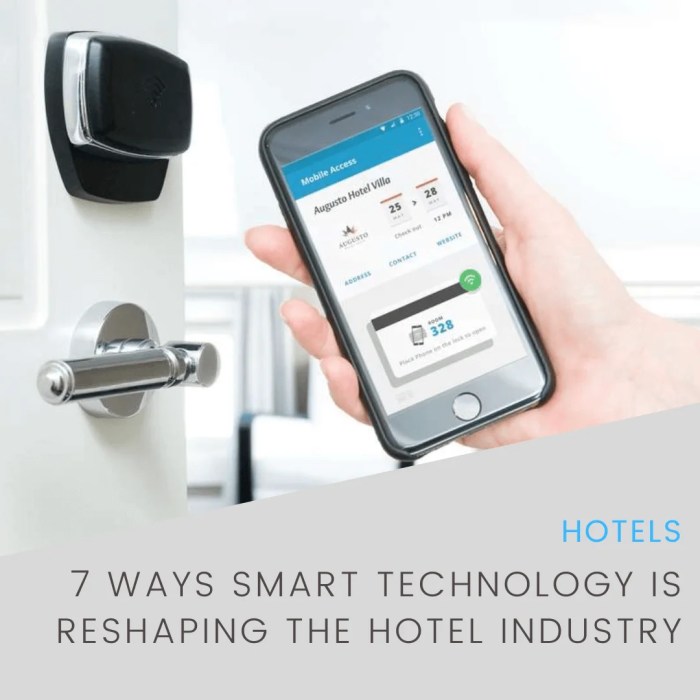
Smart room technology in hotels refers to the integration of advanced devices and systems that enhance guest experiences, improve operational efficiency, and encourage sustainability. This technology creates a seamless and intuitive environment for guests, allowing them to control various aspects of their room through their smartphones or in-room tablets. In Singapore, where innovation meets luxury, smart room technology is transforming the way guests interact with their accommodations.Utilizing smart technology in hotel rooms offers numerous benefits, such as increased comfort, energy efficiency, and personalized experiences.
Guests can adjust lighting, temperature, and entertainment systems with ease, leading to a more enjoyable stay. Additionally, hotels can manage energy consumption more effectively, reducing operational costs and minimizing their environmental footprint. The incorporation of smart devices not only meets the expectations of today’s tech-savvy travelers but also enhances the overall appeal of the hotel.
Common Smart Devices in Hotel Rooms
The implementation of smart devices in hotel rooms significantly enhances guest convenience and comfort. This section Artikels some of the most commonly found smart devices that contribute to a superior hotel experience, showcasing their importance in modern hospitality.
- Smart Thermostats: These devices allow guests to control the room temperature easily, ensuring a comfortable environment tailored to their preferences. They can also learn user habits, optimizing energy use during stays.
- Smart Lighting Systems: Guests can adjust lighting through voice commands or mobile apps, allowing for customizable ambiance. Automated lighting can also enhance safety and energy efficiency by turning off when the room is unoccupied.
- Voice Assistants: Devices like Amazon Alexa or Google Assistant can provide information, control other smart devices, and answer queries, offering guests an interactive experience during their stay.
- Smart TVs: Equipped with streaming services and easy connectivity options, smart TVs allow guests to enjoy their favorite shows and movies without the hassle of complicated setups.
- Automated Room Service: Guests can place orders directly from their smartphones or in-room tablets, streamlining the process and enhancing convenience.
The integration of these smart devices not only improves guest satisfaction but also allows hotels to differentiate themselves in a competitive market. As the demand for tech-enhanced accommodations grows, hotels that embrace smart room technology are likely to see increased loyalty and positive reviews from their guests.
Overview of Hotels with Smart Room Technology in Singapore
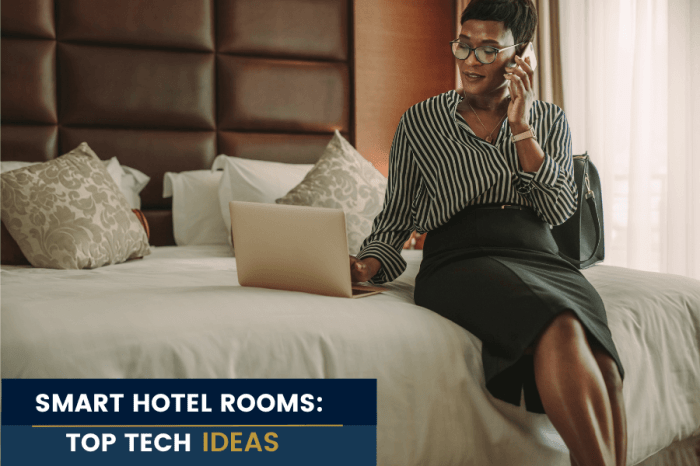
As one of the leading destinations in Asia, Singapore has made significant strides in integrating smart technology into its hospitality sector. Several hotels in the city-state have embraced smart room technology, offering guests enhanced comfort, convenience, and security. This overview highlights some notable hotels equipped with these advancements and the unique experiences they provide.The incorporation of smart technology in hotel rooms significantly enhances the guest experience.
Innovations such as automated lighting, smart thermostats, voice-controlled systems, and integrated entertainment options are becoming standard in many establishments. These technologies not only provide luxury but also promote energy efficiency and personalized service.
Notable Hotels Featuring Smart Room Technology
Several hotels in Singapore stand out for their innovative use of smart technology, leading the way for a modern travel experience. Here are some key examples:
- The M Social Singapore: This hotel features smart rooms equipped with the latest technologies, including a mobile app that allows guests to control room settings, such as lighting and temperature, from their smartphones. Guests can also use voice-activated devices to access information about hotel services.
- W Singapore – Sentosa Cove: Known for its vibrant and tech-savvy atmosphere, W Singapore integrates smart lighting and room controls, allowing guests to customize their environment effortlessly. The hotel’s unique keyless entry system enables guests to unlock their rooms using their smartphones.
- Marriott Singapore Tang Plaza Hotel: This hotel has introduced smart technology that includes an automated concierge service, which responds to guest inquiries through voice commands. Additionally, smart TVs in the rooms offer streaming services and personalized content.
Technological Advancements in Guest Experience
The technological advancements in these hotels not only enhance comfort but also cater to diverse guest preferences. The following features represent a shift towards a more intuitive and seamless experience:
- Smart Lighting Systems: Guests can control the ambiance of their rooms through mobile apps or voice commands, adjusting brightness, color, and mood settings to their liking.
- Climate Control: Smart thermostats allow guests to set their preferred room temperature before they arrive, ensuring comfort upon check-in. Some systems even learn guest preferences over time.
- Integrated Entertainment: With smart TVs and streaming services, guests can enjoy their favorite shows and movies without the hassle of connecting devices.
Guest Experiences and Reviews
Feedback from guests who have experienced smart room technology is overwhelmingly positive. Many highlight the convenience and ease of use that these technologies bring to their stay. Reviews often mention the following aspects:
- Enhanced Comfort: Guests appreciate the ability to customize their environment, such as adjusting lighting and temperature with minimal effort.
- Convenient Access to Services: The ability to order room service or request housekeeping through an app or voice command is often cited as a major advantage, adding to the overall luxury experience.
- Impressive Modern Design: The aesthetic integration of technology within the room enhances the overall appeal, making the stay feel more luxurious and modern.
“The smart features truly elevated our experience, making our stay not just comfortable but also exciting. It felt like living in the future!”
Recent guest review.
Features of Smart Rooms
Smart room technology is revolutionizing the hospitality experience, particularly in vibrant cities like Singapore. These rooms are designed to offer guests unparalleled convenience and comfort through advanced automation and connectivity. With smart technology integrated into various aspects of the room, guests can enjoy a personalized experience that enhances their stay, making it not just comfortable but also enjoyable.One of the standout features of smart rooms is the automated lighting and climate control systems.
Guests can easily adjust the ambiance of their room with a simple voice command or a tap on their mobile device, creating an environment that suits their mood. These systems typically include options for dimming lights, changing color temperatures, or setting specific scenes for relaxation or work. Furthermore, climate control allows guests to regulate temperature settings, ensuring comfort throughout their stay.
Mobile App Integration
Mobile apps play a crucial role in the smart room experience by providing guests with seamless control over various room settings. Through the hotel’s dedicated app, visitors can manage lighting, temperature, and even entertainment options, all from the convenience of their smartphones. This integration allows for a high level of customization and convenience, as guests can adjust their environment even before entering the room or while lounging in bed.Some key features typically found in these mobile apps include:
- Remote control of lighting and climate settings.
- Scheduling capabilities for pre-setting preferences during the stay.
- Notification alerts for room service and hotel events.
- Access to local recommendations and amenities through the hotel app.
Entertainment Options in Smart Rooms
Entertainment options in smart rooms are designed to cater to diverse preferences and ensure guests can unwind or stay connected. Many smart rooms are equipped with integrated streaming services that allow guests to watch their favorite shows or movies on high-definition televisions. Additionally, these rooms often include Bluetooth connectivity, enabling guests to play their own music or podcasts directly from their devices.Examples of popular entertainment features found in smart rooms include:
- Smart TVs with access to streaming platforms such as Netflix, Hulu, and YouTube.
- Virtual Reality (VR) systems for immersive gaming experiences.
- Interactive screens that provide information about hotel services or local attractions.
- Personalized guest accounts that remember preferences for viewing content.
Advantages of Staying in a Smart Room
Staying in a smart room offers a plethora of advantages that enhance the overall experience for guests. The integration of cutting-edge technology transforms the traditional hotel stay into a seamless, personalized experience. From convenience to energy efficiency, smart room technology is redefining the hospitality landscape, particularly in bustling cities like Singapore.One of the most significant benefits of smart room technology is the convenience it provides.
Smart rooms come equipped with various features that allow guests to control their environment effortlessly. For instance, guests can adjust lighting, temperature, and even entertainment options using a simple mobile app or voice commands. This level of control means that guests can tailor their space to suit their preferences instantly, making their stay more enjoyable and comfortable. Additionally, smart room technology often includes automated check-in and check-out processes, reducing wait times and enhancing guest satisfaction.
Energy Efficiency and Sustainability
The sustainability aspects of smart room technology cannot be overlooked. One of the primary advantages is the energy efficiency that these systems promote. Smart devices can monitor and manage energy use in real-time, ensuring that resources are not wasted. For example, smart thermostats can adjust the temperature based on occupancy, while smart lighting systems can turn off when rooms are unoccupied.
These features not only save energy but also contribute to a hotel’s overall sustainability goals. The benefits extend beyond just energy savings; they also lead to cost reductions for hotels. By decreasing energy consumption, hotels can lower operational costs, which can translate to savings for guests as well. Many establishments pass these savings on to their customers in the form of competitive pricing or enhanced services.
Cost-Effectiveness of Smart Room Technology
When comparing the cost-effectiveness of smart room technology versus traditional hotel experiences, it’s clear that smart rooms often provide superior value. While the initial investment in smart technology may be higher, the long-term benefits and savings can outweigh these costs. Hotels with smart technology can optimize their operations, reduce maintenance expenses, and enhance the guest experience—all contributing to a more profitable business model.For example, a study conducted by the American Hotel and Lodging Educational Institute revealed that hotels adopting smart technology saw a reduction in energy costs by as much as 15-30%.
This significant reduction showcases not only the financial incentives for hotels but also the environmental benefits, making smart rooms a win-win for both guests and hotel operators. In conclusion, the advantages of smart room technology encompass convenience, energy efficiency, and cost-effectiveness, making it a compelling choice for travelers seeking a modern hotel experience.
Future Trends in Hotel Room Technology
As the hospitality industry embraces innovation, smart room technology is evolving at a rapid pace. Future trends in this area promise to enhance guest experiences, streamline operations, and set new standards for comfort and convenience. With the integration of emerging technologies, hotels are poised to redefine what it means to stay in a smart room, making the journey more personal and efficient.The potential impact of artificial intelligence (AI) and machine learning on hotel experiences is significant.
These technologies can analyze guest preferences and behaviors to create tailor-made experiences that go beyond traditional hospitality. For instance, AI-driven systems can predict the needs of guests before they even arrive, from room temperature preferences to personalized entertainment options. This level of customization is becoming increasingly expected in today’s tech-savvy world.
Emerging Technologies Shaping Smart Rooms
Several emerging technologies are set to transform hotel room experiences and expectations. The following points illustrate the potential impact of these advancements on the hospitality sector:
- Internet of Things (IoT): IoT devices enable seamless connectivity between various appliances in the room, allowing guests to control everything from lighting to temperature with their smartphones or voice commands.
- Augmented Reality (AR): AR can provide interactive experiences, allowing guests to visualize room features or local attractions through their devices, enhancing their stay and guiding their exploration.
- Contactless Technology: Contactless check-in and room access via mobile apps enhance safety and convenience, catering to health-conscious travelers by minimizing physical interactions.
- Robotics: Robots for room service and cleaning can improve efficiency and guest engagement, offering a novelty factor that can enhance the overall experience.
- Smart Mirrors and Displays: These devices can provide guests with personalized information, such as news, weather updates, and hotel services, all while maintaining a sleek aesthetic in the room.
As technology continues to evolve, guests will increasingly expect their hotel experiences to be intuitive, efficient, and personalized, raising the bar for hospitality standards.
The integration of AI and machine learning into hotel operations presents an exciting opportunity to anticipate guest needs. These technologies can analyze vast amounts of data from past stays to provide recommendations for services and amenities. For example, if a guest frequently orders room service at a specific time, AI can suggest pre-ordering to streamline the experience. Additionally, machine learning can help hotels identify trends and adjust their offerings accordingly, keeping them ahead of guest expectations.As technology continues to advance, guest expectations will also evolve.
The modern traveler is becoming more accustomed to personalized experiences driven by data. They will likely expect hotels to know their preferences regarding room settings, meal choices, and even recreational activities. This expectation for hyper-personalization is indicative of a broader trend in various sectors, where consumers seek brands that understand and cater to their individual needs.In summary, the future of hotel room technology is bright, with the potential for significant advancements that promise to enhance every aspect of the guest experience.
These emerging technologies will not only elevate standards within the hospitality industry but will also redefine the very concept of a hotel stay.
Challenges and Considerations
As hotels increasingly adopt smart room technology, they encounter a variety of challenges that require careful consideration. While the benefits of enhanced guest experiences and operational efficiencies are clear, the complexities of implementation and potential pitfalls must also be addressed. This section delves into the hurdles hotels face when integrating smart technology and offers insights into measures that can be taken to mitigate these difficulties.
Implementation Challenges
Integrating smart room technology involves significant investment and a thoughtful approach to system design. Hotels may face challenges such as:
- Infrastructure Limitations: Many existing hotels may not have the necessary infrastructure to support advanced smart technologies, leading to potential renovation costs.
- Interoperability Issues: Ensuring that various smart devices and systems can communicate effectively can be a daunting task, as compatibility between different brands and platforms is not always guaranteed.
- Staff Training: Employees need to be adequately trained to manage and troubleshoot new smart technologies, necessitating time and resources for effective training programs.
Privacy Concerns
The use of smart technologies in hotels raises significant privacy issues that must be addressed. Guests may feel uncomfortable with the potential for surveillance and data collection in their private spaces. Key points include:
- Data Collection: Smart devices can collect personal data, including preferences and behaviors, which may lead to concerns about how this information is stored and used.
- Surveillance Risks: The presence of cameras and microphones can lead to fears of being monitored, impacting guests’ sense of security and privacy.
Strategies for Addressing Challenges, Hotel With Smart Room Technology In Singapore
To effectively navigate the challenges associated with smart room technology, hotels can adopt several strategies to ensure a smoother transition and enhance guest trust. Important strategies include:
- Transparent Communication: Hotels should clearly communicate to guests how their data will be collected, used, and protected, fostering a sense of trust.
- Robust Data Security Measures: Implementing strong encryption and security protocols can help safeguard guests’ personal information and reduce vulnerabilities.
- Regular Training and Support: Providing ongoing training for staff ensures they are well-equipped to address guest inquiries and manage technology effectively.
“Balancing innovation with guest privacy and security is essential for the successful implementation of smart technologies in hotels.”
Case Studies of Successful Implementation: Hotel With Smart Room Technology In Singapore
The integration of smart room technology in hotels has transformed the hospitality landscape in Singapore, enhancing guest experiences and operational efficiency. Several hotels have pioneered these innovations, showcasing effective strategies and measurable outcomes that highlight the benefits of embracing cutting-edge technology.One notable example is the Marina Bay Sands, a premier integrated resort that seamlessly incorporated smart technology throughout its facilities.
The hotel implemented a centralized management system that allowed guests to control room settings—including lighting, temperature, and entertainment—using a mobile application. This initiative involved a detailed assessment of guest preferences and technological capabilities, leading to an intuitive interface that catered to their needs.
Marina Bay Sands Smart Integration
The steps taken by Marina Bay Sands to implement smart technology included:
1. Assessment of Guest Needs
Understanding what features guests would find most valuable, such as automated lighting and climate control.
2. Technology Selection
Partnering with technology firms to develop a robust system for integrating various smart features into the guest experience.
3. Staff Training
Ensuring that employees were trained to assist guests with technology-related inquiries.
4. Feedback Mechanism
Establishing a system for gathering guest feedback post-implementation to continuously improve the offerings.The measurable outcomes of these initiatives have been notable. Guest satisfaction scores significantly increased, with a reported 30% rise in positive reviews related to room comfort and convenience. Additionally, operational efficiency improved, resulting in lower energy costs due to optimized heating and cooling systems.
Hotel Jen Orchardgateway’s Innovative Approach
Another successful case is Hotel Jen Orchardgateway, which introduced a unique blend of smart technology that included keyless entry and smart mirrors equipped with entertainment options. The implementation process for Hotel Jen involved several key steps:
1. Pilot Testing
Running a pilot program with a select group of rooms to gather real-time data on the smart technologies’ performance.
2. Guest Involvement
Involving guests during the pilot phase to obtain direct feedback and make necessary adjustments.
3. Full-Scale Rollout
Expanding the technology to all rooms based on pilot program insights and guest feedback.Post-implementation, the hotel experienced a 25% increase in bookings attributed to the innovative features, alongside glowing reviews highlighting the modern and user-friendly experience. Guests appreciated the seamless integration of technology into their stay, which significantly enhanced their comfort and satisfaction.
“Smart technologies not only elevate the guest experience but also optimize hotel operations for long-term sustainability.”
The successful integration of smart room technology in these hotels demonstrates the effectiveness of strategic planning and execution, leading to improved guest experiences and operational excellence in Singapore’s hospitality sector.
Guest Perceptions and Adoption
The integration of smart room technology in hotels has transformed the guest experience into something that feels more connected, convenient, and tailored. As hotels in Singapore embrace this cutting-edge technology, understanding guest perceptions and adoption is crucial to ensuring these innovations are welcomed and effective. The response from guests can vary significantly based on their familiarity with technology, personal preferences, and overall expectations of hospitality.
Factors influencing guest adoption of smart room features are multifaceted. Elements such as user-friendliness, perceived value, and reliability play significant roles in determining whether guests embrace these smart innovations. Additionally, generational differences and prior experiences with technology can heavily impact how guests view and utilize these features during their stay.
Factors Influencing Guest Adoption
Several key factors contribute to how guests perceive and adopt smart room technology. Understanding these can help hotels refine their offerings and enhance the guest experience:
- User Experience: The ease of use is paramount. Guests tend to favor systems that are intuitive and do not require a steep learning curve. Positive interactions lead to higher adoption rates.
- Perceived Benefits: If guests believe that smart features enhance their comfort or convenience, they are more likely to engage with them. This includes aspects such as automated temperature control and personalized lighting.
- Familiarity with Technology: Guests who are tech-savvy are generally more open to utilizing smart room features compared to those who may feel overwhelmed by technology.
- Privacy Concerns: Some guests may hesitate to adopt smart technologies due to worries about data security and privacy, impacting their overall satisfaction.
- Brand Reputation: The perceived reliability and reputation of the hotel brand can significantly influence guest trust and willingness to adopt new technologies.
Guest testimonies offer valuable insights into the experience of staying in smart rooms. Many guests have reported a heightened sense of satisfaction and comfort when utilizing smart features. For example, one guest mentioned,
“The ability to control everything from the lights to the temperature with just my voice made my stay feel incredibly luxurious and personalized.”
Another guest stated,
“As someone who travels frequently for work, I appreciate how smart technology saves me time and enhances my productivity during my stay.”
Such feedback highlights the positive reception of smart room technology, further encouraging hotels to invest in these systems.
Outcome Summary
In conclusion, the emergence of smart room technology in hotels offers an exciting glimpse into the future of travel and hospitality. With numerous benefits such as enhanced convenience and energy efficiency, it’s clear that smart rooms are more than just a trend; they represent a shift in how we experience hotel stays. As technology continues to evolve, we can anticipate even more innovative features that will further elevate the guest experience.
Expert Answers
What is smart room technology in hotels?
Smart room technology in hotels refers to the integration of devices and systems that allow guests to control various room features, such as lighting, temperature, and entertainment, via a mobile app or voice commands.
How does smart technology improve guest experiences?
Smart technology enhances guest experiences by providing personalized controls, promoting energy efficiency, and offering seamless integration with mobile devices, ensuring a comfortable and convenient stay.
Are smart rooms more expensive than traditional rooms?
While some smart rooms may have a higher initial price, the benefits of energy savings and enhanced convenience can make them more cost-effective in the long run.
What privacy concerns exist with smart room technology?
Privacy concerns may arise regarding data collection and surveillance; however, hotels typically implement measures to protect guest information and ensure compliance with privacy regulations.
Can guests customize the smart features in their room?
Yes, guests can often customize various smart features, such as lighting and temperature settings, to suit their preferences using a mobile app or in-room control panel.